
 中
中 En
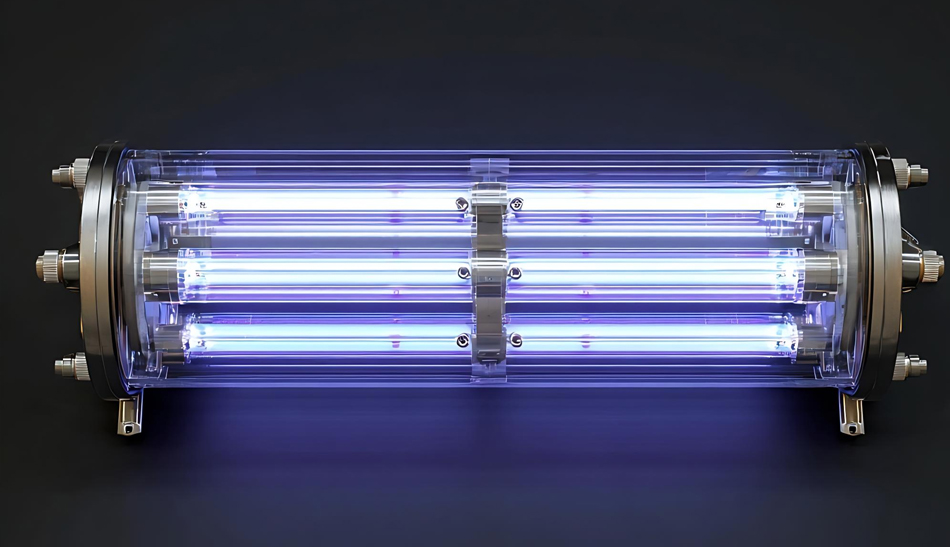
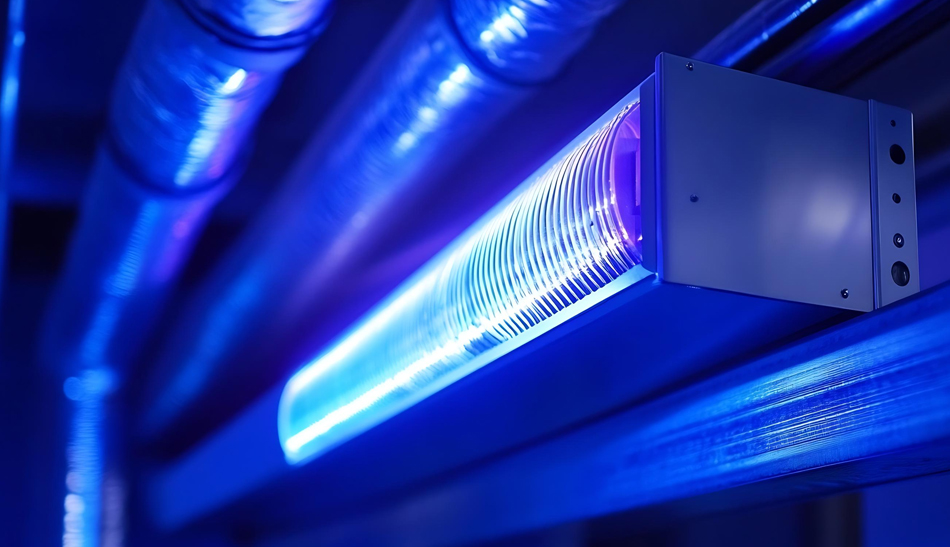
EnUltraviolet sterilizer is an efficient tool widely used for water treatment disinfection. It uses ultraviolet radiation to kill microorganisms in water, ensuring the safety and hygiene of water quality. However, the disinfection effect of UV sterilizers is influenced by multiple factors, and understanding these factors is crucial for proper use and maintenance of the equipment. The following are some key factors that affect the disinfection effect of UV sterilizers:
Water quality: Water quality is one of the main factors affecting the effectiveness of ultraviolet disinfection. Turbid water, solid particles or chemicals in water can reduce the transmittance of ultraviolet rays, making it difficult for ultraviolet rays to penetrate the cell membranes of microorganisms in water. Therefore, clear and transparent water is more advantageous for the effectiveness of ultraviolet disinfectors.
Water flow rate: The flow rate of water can also affect the effectiveness of ultraviolet disinfection. When the water flow rate is too fast, the exposure time of microorganisms may not be sufficient to receive sufficient ultraviolet radiation, thereby affecting the disinfection effect. Therefore, maintaining a moderate water flow rate is crucial to ensure sufficient disinfection time.
UV dose: The UV radiation dose generated by the lamp tube of the UV sterilizer is crucial for the disinfection effect. Higher doses of ultraviolet radiation can more effectively kill microorganisms. Therefore, regular inspection and replacement of ultraviolet lamps to maintain sufficient radiation dose is key to maintaining disinfection effectiveness.
Water temperature: The temperature of water can also affect the effectiveness of ultraviolet disinfection. Lower water temperatures may slow down the growth rate of microorganisms, thus requiring longer exposure to ultraviolet radiation to ensure their eradication. Warm water is usually more conducive to disinfection effectiveness.
Types of microorganisms in water: Different types of microorganisms have varying degrees of sensitivity to ultraviolet radiation. Generally speaking, bacteria and viruses are more easily killed by ultraviolet radiation, while some more complex microorganisms may require higher doses of ultraviolet radiation.
Turbidity and color of water: Turbidity and colored water (such as water containing elements such as iron and manganese) can absorb ultraviolet radiation, reduce its transmittance, and thus affect the effectiveness of ultraviolet radiation. Therefore, transparent and clear water sources are more advantageous for the effectiveness of ultraviolet disinfectors.
Maintenance of Disinfectors: Regular maintenance and cleaning of the components of UV disinfectors is crucial to ensure their normal operation and disinfection effectiveness. The replacement of light tubes, cleaning of reaction chambers, and inspection of sealing components are all important parts of maintenance.
In summary, the disinfection effectiveness of ultraviolet disinfectors is influenced by various factors, including water quality, water flow rate, ultraviolet dose, water temperature, microbial type, water turbidity and color, as well as equipment maintenance. Understanding these factors and taking corresponding measures can ensure that UV disinfectors always provide efficient disinfection effects, ensuring the safety and hygiene of our water sources. This technology not only provides us with reliable water quality treatment, but also offers sustainable solutions for environmental protection and health.