
 中
中 En
En
 Customer Pain Points
 Distribution circuit biofilm
Biofilm is a complex community formed by microorganisms adhering to the inner wall of pipelines, and traditional disinfection methods are difficult to completely remove it. Biofilm will continue to release microorganisms into water, causing microbial indicators to exceed the standard, which is the most difficult problem to solve in purified water systems.
GMP compliance failureThe pharmacopoeias (USP, EP, JP) and FDA/EMA regulations of various countries have strict microbiological limit requirements for pharmaceutical water. Microbial exceedance caused by biofilm issues can pose a risk of GMP audit failure for enterprises, affecting drug registration and market access.
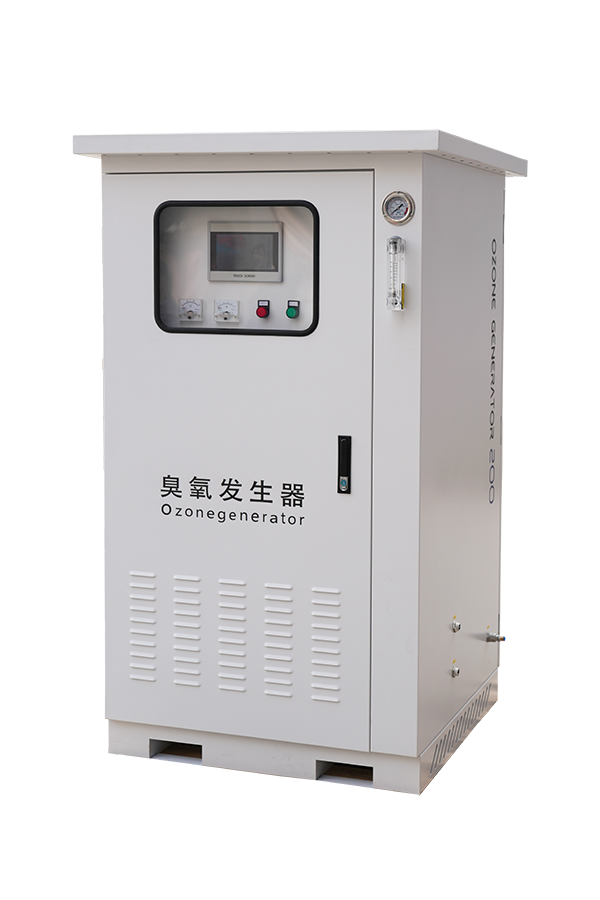
Chemical disinfectant residueAlthough chemical disinfectants such as hydrogen peroxide, ozone, and formaldehyde can kill bacteria, they will leave residues in the system and products. These residues may react with the active ingredients of the drug, affecting product safety and stability.
Batch scrapping and product lossThe loss of scrapping a batch ranges from tens of thousands to tens of millions of yuan, seriously threatening the economic benefits of the enterprise.
 Problem Solving
UV controlled biofilm
Problem Solving
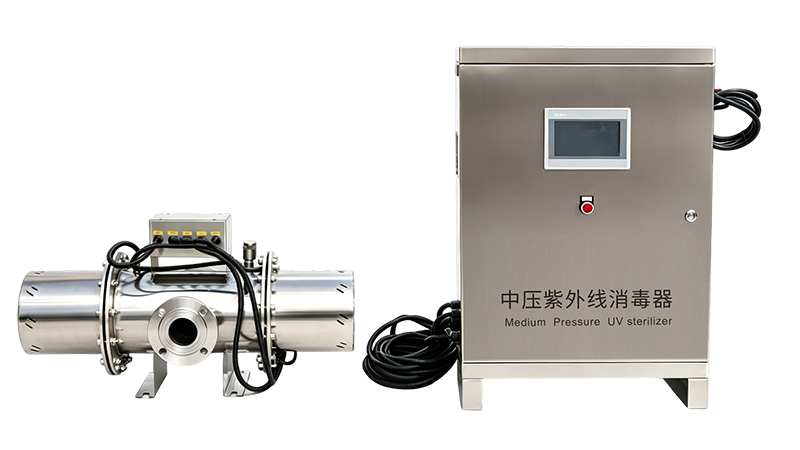
UV controlled biofilmContinuous irradiation inhibits the adhesion and reproduction of microorganisms on the inner wall of the pipeline, effectively controlling the formation of biofilms. When the UV dose is ≥ 40mJ/cm ², 99.99% of the sterilization effect can be achieved, fundamentally solving the problem of biofilm.
GMP compliance assuranceThe system design complies with international and domestic regulatory requirements such as FDA, EMA, NMPA, USP, EP, JP, etc. Provide a complete IQ/OQ/PQ validation document package to ensure smooth completion of any GMP audit。
No chemical residuePure physical disinfection method, without adding any chemicals, does not produce disinfection by-products. The entire process of system operation is residue free, fully meeting the strictest requirements for drug production.
Zero batch scrapBy continuously and effectively controlling microorganisms, ensure that water quality remains stable and meets standards. Eliminate the risk of product scrapping caused by water quality issues from the source and protect the economic benefits of the enterprise.