中
中 En
En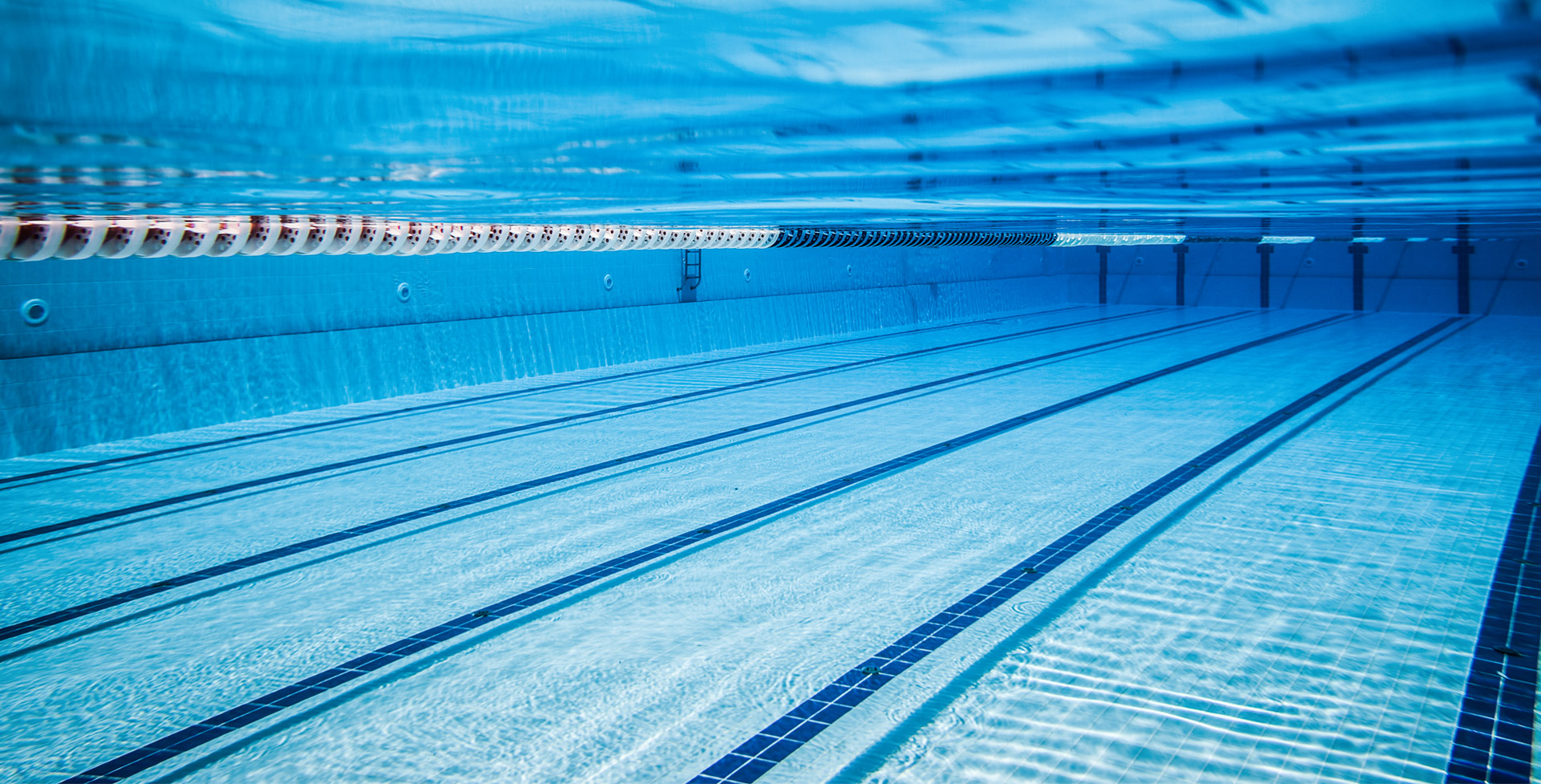

-
secondary water supplyOverview:In the secondary water supply, the water tank and pool operate in a sealed manner for a long time, leading to the growth of algae, excessive levels of Escherichia coli, and blockage caused by rust and sediment deposition. The project adopts ultraviolet disinfection, using a specific wavelength (UV-C, wavelength 254nm) to irradiate the water flow, destroying the DNA/RNA structure of microorganisms, causing them to lose their reproductive ability and die. It is highly efficient in sterilization, long-lasting in inhibition, and achieves water quality compliance.

-
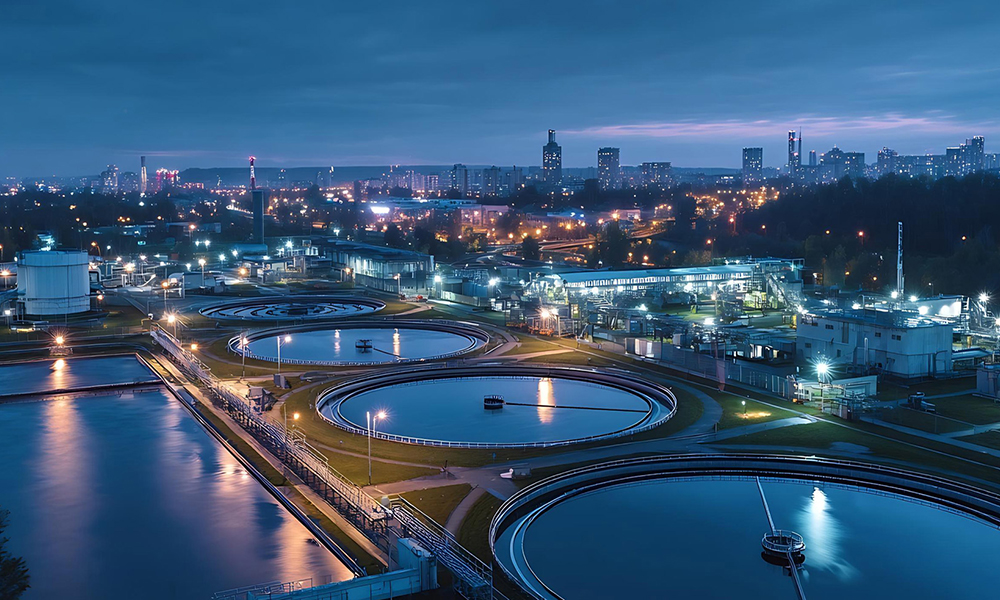
Chemical wastewaterOverview:In the field of chemical wastewater treatment, open channel ultraviolet sterilizers are a key sterilization process before final discharge, which can effectively kill pathogenic microorganisms such as bacteria and viruses in wastewater, ensure that the effluent microbial indicators meet national discharge standards, and do not produce chemical by-products or increase effluent toxicity.
-
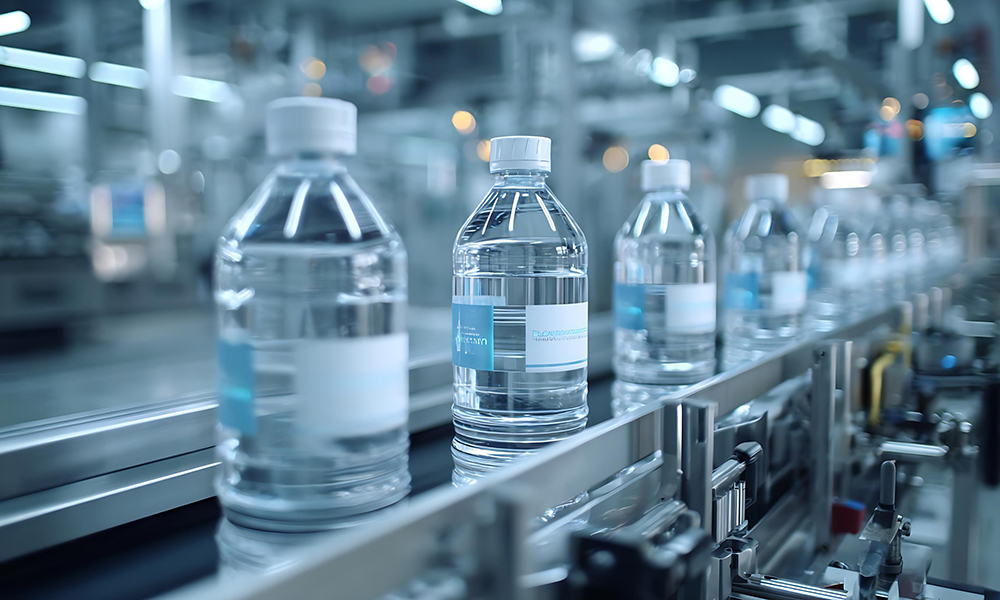
Food and BeverageOverview:Pure physical sterilization equipment is used in the water used for food and beverage processing. The ultraviolet sterilizer is installed after precision filtration and before the production water point to ensure sterilization effect without affecting subsequent processes, food taste, and safety.
-
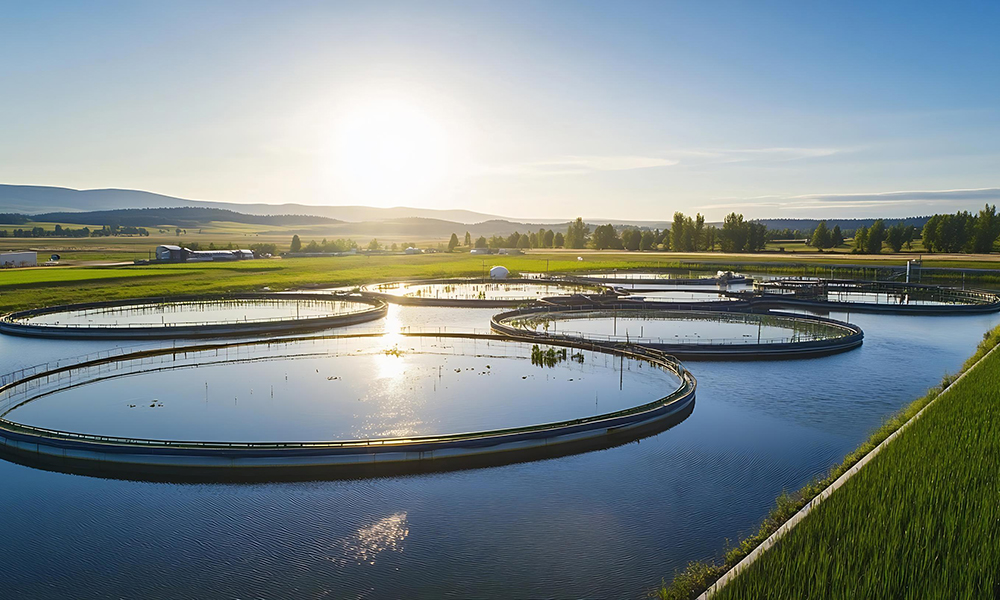
aquacultureOverview:In the field of aquaculture, the water quality problem faced by aquaculture is becoming increasingly severe. Ultraviolet sterilizers are the core sterilization link of the circulating water aquaculture system (RAS), which can effectively kill bacteria, viruses, parasites, algae and other pathogens in the water, solve the traditional aquaculture problems of farmers, and ensure the safety of the aquaculture water environment.
-
swimming pool waterOverview:In the field of swimming pool water treatment, ultraviolet sterilizers are an important upgrade and supplement to traditional chlorine disinfection. They can effectively kill bacteria, viruses, algae spores and other pathogens in pool water, while significantly reducing the amount of chlorine used and improving the experience of swimmers. They are a pure physical water sterilization device.

-
Ship MaritimeOverview:Port State Control (PSC) inspections have increasingly strict requirements for ballast water management. Freshwater tanks and storage tanks on ships are kept in a sealed environment for a long time, and factors such as temperature differences and sunlight exposure can easily lead to the proliferation of bacteria, Escherichia coli, and other microorganisms, affecting the safety of drinking water. Hebei Anjie provides a complete set of solutions for ship and maritime water disinfection, covering ship ballast water treatment disinfection, ship drinking water sterilization, seawater pipeline protection, using ultraviolet sterilization technology, water quality monitoring technology, efficient sterilization, and adaptability to ship operating conditions.

-
Livestock and poultry breedingOverview:In modern livestock and poultry breeding, drinking water safety is a key factor affecting breeding efficiency. The traditional method of disinfecting drinking water has many limitations and causes serious losses to aquaculture production. Resolve the issue of water supply for livestock and poultry breeding, and ensure the safety of the breeding water environment.

-
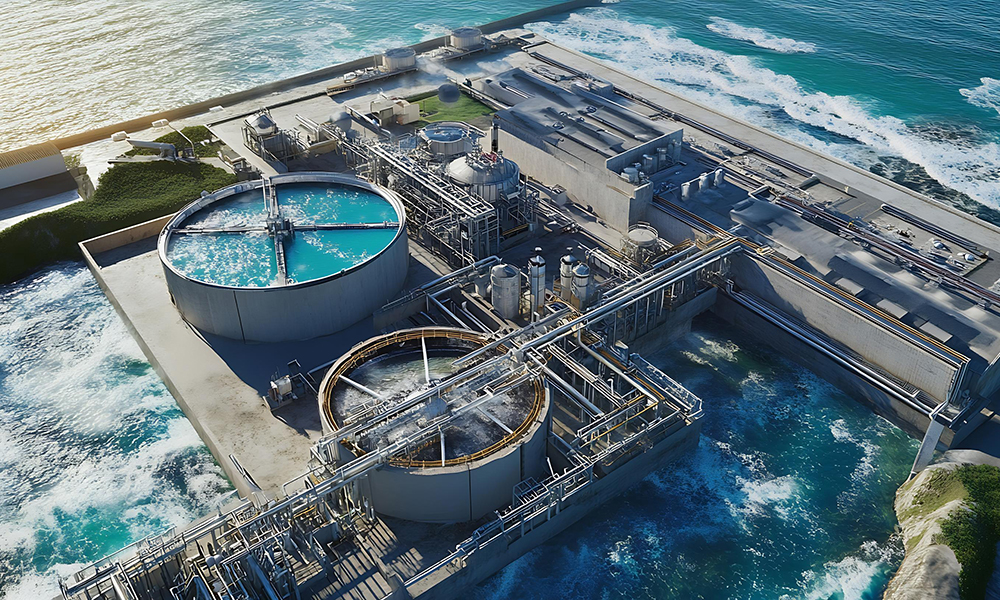
Desalination of seawaterOverview:In seawater desalination, there are marine organisms and algae at the water intake, which breed microbial communities on the membrane surface, block membrane pores, and weaken filtration performance. Marine organisms enter the system with seawater, causing pipeline blockage and secondary pollution. For seawater desalination raw water, a combination of front-end chemical algae inhibition and anti fouling+end ultraviolet disinfection sterile water purification process is adopted to inhibit the attachment of marine organisms and biological fouling of membrane components, deeply kill microorganisms, resist high salt and corrosion, and ensure stable and compliant water quality after desalination.
-
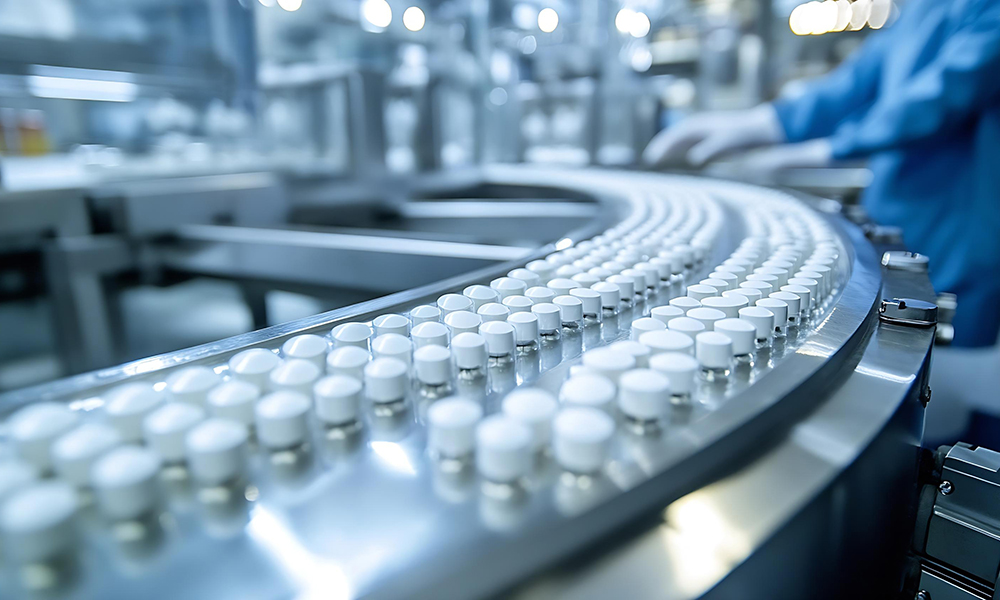
pharmaceutical chemicalsOverview:Various types of production water, such as purified water for pharmaceuticals and chemicals, injection water, etc., are adapted to pharmacopoeia and GMP standards to solve problems such as water quality, microbial and biofilm contamination, poor adaptation to traditional disinfection, non-compliance, and difficult operation and maintenance. Integrating multiple disinfection and sterilization technologies, the water system can achieve sterility, residue free, long-term clean, compliance and low consumption operation.
-
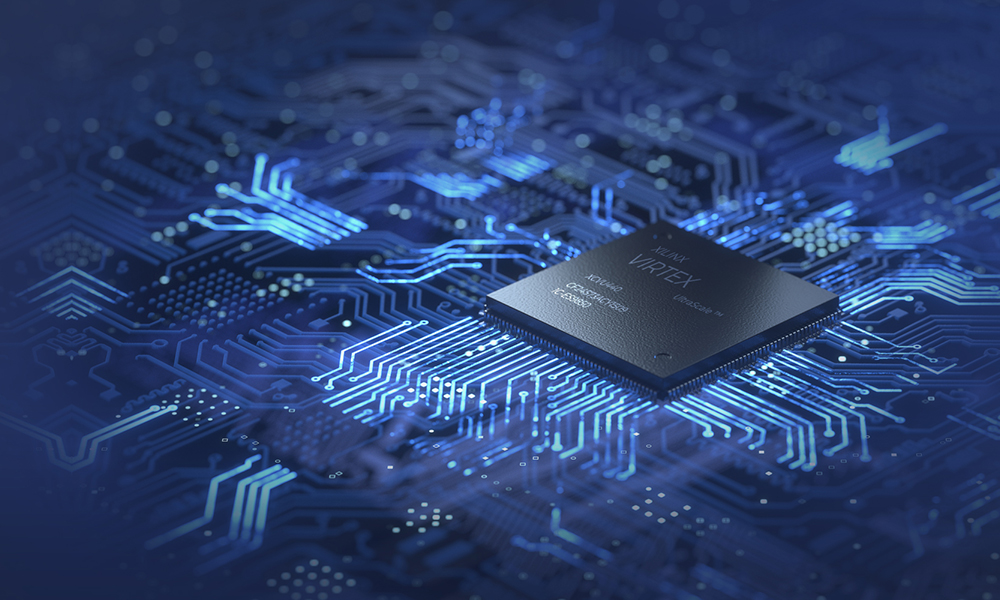
electronics industryOverview:A physical treatment equipment that uses ultraviolet light to kill microorganisms in ultrapure water (UPW) systems in the semiconductor and electronics industries. In the semiconductor wafer manufacturing process, the quality of ultrapure water directly affects chip yield and product quality. The ultra pure water system adopts a multi-stage treatment process to ensure that the water quality meets the requirements of chip manufacturing. UV sterilizers play an important role at critical junctures.
-
Oil reinjection waterOverview:In the field of oil reinjection water treatment, ultraviolet sterilizers are a key technology to replace traditional chemical sterilization. Through ultraviolet light irradiation, they can effectively kill characteristic oilfield bacteria such as sulfate reducing bacteria (SRB), saprophytic bacteria (TGB), and iron bacteria in the reinjection water, prevent formation blockage and pipeline corrosion, and ensure the effectiveness of water injection development.

-
AI Large Model Computing Power CenterOverview:The cooling circulating water system of the AI computing power center adopts ultraviolet pure physical sterilization. Through 254nm UV-C band ultraviolet irradiation, it effectively controls bacteria, algae and other microorganisms in the cooling tower and liquid cooling circuit, ensuring the heat dissipation efficiency of the GPU/CPU cold plate. The equipment does not add any chemical agents, is completely physically disinfected, and does not affect the cleanliness of the computer room.