

 中
中 En
En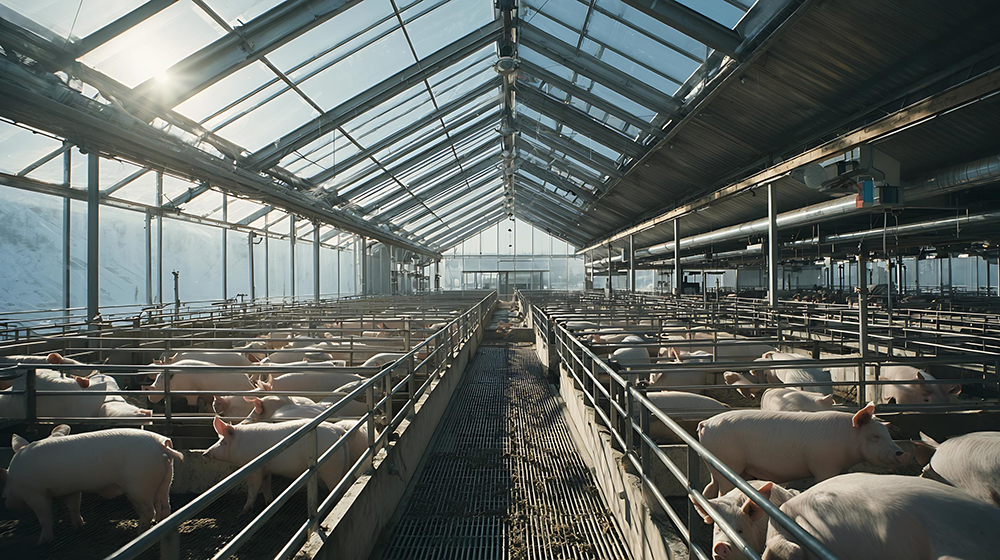
 Customer Pain Points
 Outbreak of waterborne diseases
Pathogenic bacteria such as Escherichia coli and Salmonella are transmitted through drinking water, causing mass diarrhea and high mortality rates.
Waterline biofilmThe stubborn biofilm formed on the inner wall of the pipeline becomes a breeding ground for bacteria, which is difficult to remove with conventional disinfection.
Antibiotic resistanceLong term addition of antibiotics to drinking water leads to increased bacterial resistance and decreased treatment effectiveness.
Production performance lossThe increase in feed to meat ratio, decrease in daily weight gain, and extension of the slaughter cycle have resulted in overall damage to the breeding efficiency.
 Problem Solving
UV kills pathogenic bacteria in drinking water
Problem Solving
UV kills pathogenic bacteria in drinking water254nm UVC radiation destroys bacterial DNA with a sterilization rate of over 99.9%.
Eliminate biofilm on drinking water linesContinuous irradiation inhibits biofilm formation and keeps the pipeline clean and unobstructed.
Reduce antibiotic dependencePhysical disinfection replaces some antibiotics, ensuring food safety more effectively.
Improve production performanceHealthy drinking water promotes growth, improves feed to meat ratio, and shortens the slaughter cycle.

Related Products
Related Cases
Numerous real cases for your reference
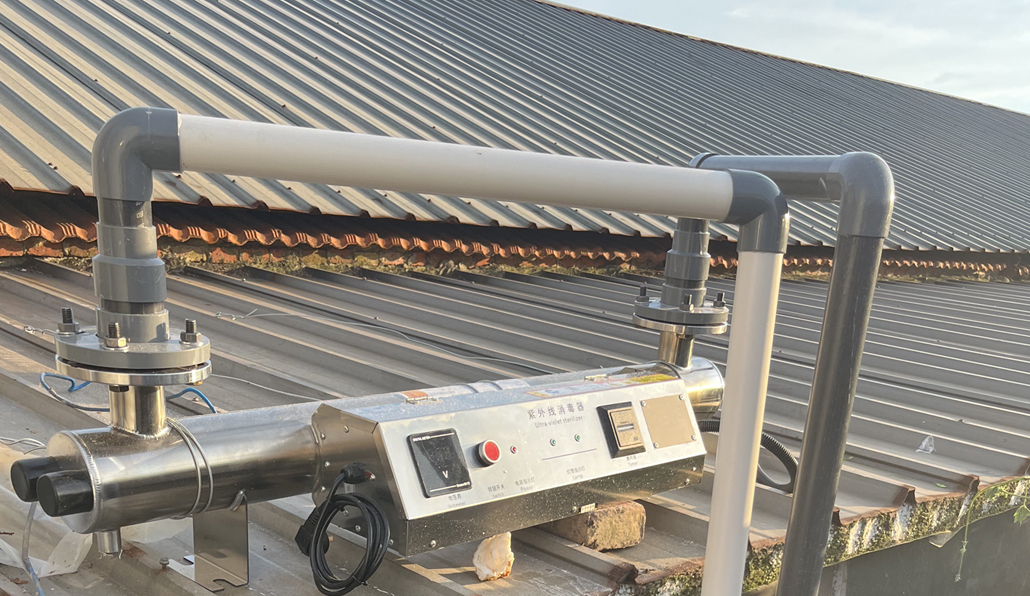
A rabbit breeding plant's drinking water disinfection project
A certain rabbit breeding farm applies ultraviolet disinfection system to continuously sterilize the circulating water, remove pathogenic bacteria such as Salmonella, ensure the safety of drinking water for rabbits, and reduce medication costs.
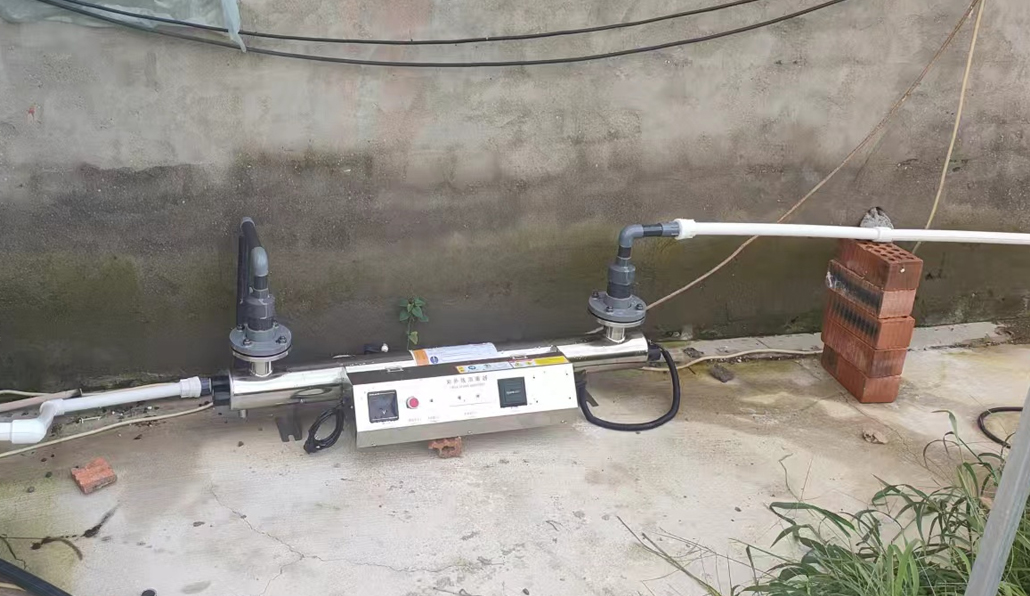
Large scale pig farm drinking water ultraviolet disinfection project
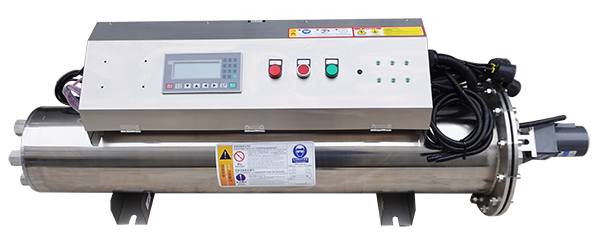
A large-scale pig farm uses a pipeline type ultraviolet sterilizer to disinfect the drinking water of pigs at the terminal, killing Escherichia coli, non distemper viruses, etc. The inactivation rate reaches 99.9%, and the diarrhea rate of piglets is significantly reduced.


/