
 中
中 En
En
 Customer Pain Points
 RO membrane biofouling blockage
Marine microorganisms attach and reproduce on the surface of reverse osmosis membranes, forming biofilms, resulting in a decrease in membrane flux, a decrease in desalination rate, and an increase in water production costs.
High cost of chemical pretreatmentTraditional chlorination/sodium hypochlorite pretreatment requires continuous addition of chemical agents, resulting in high operating costs and the production of harmful by-products.
Product water bacterial regenerationAlthough the desalination rate of fresh water treated with RO membrane is high, bacteria may regrow during storage and transportation.
Environmental emissions are restrictedThe direct discharge of concentrated water containing chemical agents has an impact on marine ecology, and environmental regulations are becoming increasingly strict.
 Problem Solving
UV pretreatment reduces membrane fouling and blockage
Problem Solving
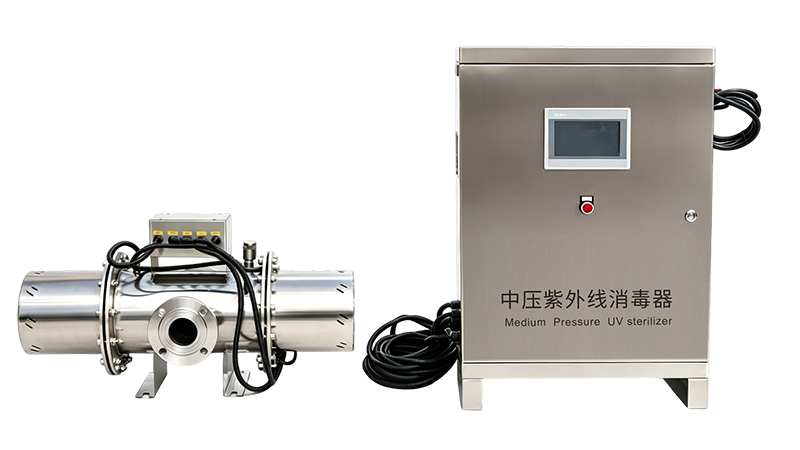
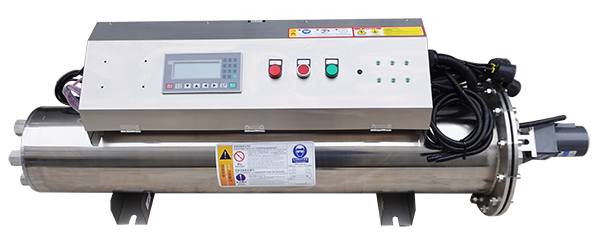
UV pretreatment reduces membrane fouling and blockageInstall a UV sterilizer in front of the RO membrane to kill planktonic bacteria and algae, control biofouling from the source, and extend the membrane cleaning cycle and lifespan.
Reduce the use of chemical agentsUV substitution for partial chemical pre oxidation reduces the dosage of sodium hypochlorite and other chemicals, lowers operating costs, and avoids harmful by-products.
Product water UV terminal sterilizationInstall a UV sterilizer after RO to perform terminal disinfection on the product water, killing all remaining microorganisms and ensuring water quality safety.
Green, environmentally friendly, and emission freePure physical sterilization, no chemical residue, concentrated water can be directly discharged, friendly to the marine environment, in line with environmental protection trends.