
 中
中 En
En
 Customer Pain Points
 Risk of exceeding microbial limits in products
Excessive bacteria, yeast, and mold can cause product spoilage, mold growth, and bag swelling, directly leading to product scrapping and economic losses.
The issue of residual chemical disinfectantsTraditional chemical disinfection methods generate residues in products, affecting national food safety standards testing and damaging product taste.
Shortened shelf lifeMicrobial contamination significantly shortens the shelf life of products, increases return rates and inventory losses, and affects corporate profits.
Compliance and recall risksThe market supervision department will face serious consequences such as product recall, fines, and even revocation of production license if the inspection fails.
 Problem Solving
Ensure microbiological compliance
Problem Solving
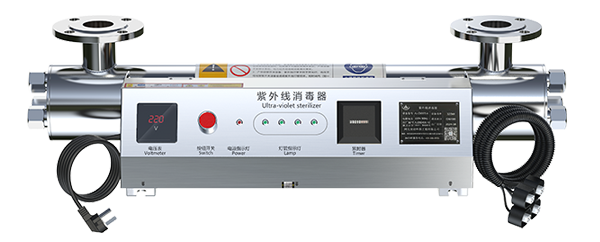
Ensure microbiological compliance254nm UV-C deep ultraviolet light inactivates 99.9% of microorganisms in 1-5 seconds, ensuring that the effluent microorganisms meet the standard.
No chemical residueChemical agents to ensure food safety.
Extend product shelf lifeThoroughly kill bacteria, yeast, and mold, effectively extending the shelf life of the product.
Meet regulatory requirementsMeets the requirements of national food safety standards such as GB 5749 and GB 19298.