
 中
中 En
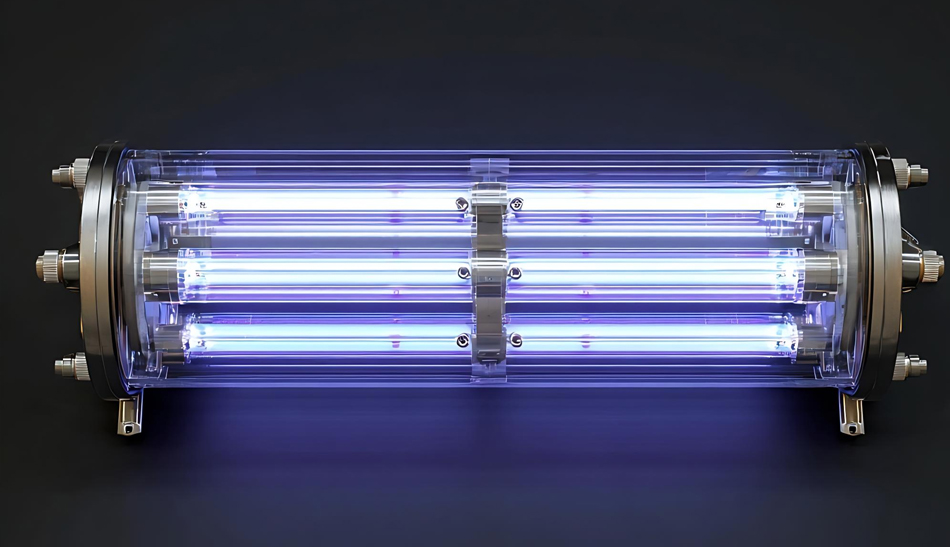
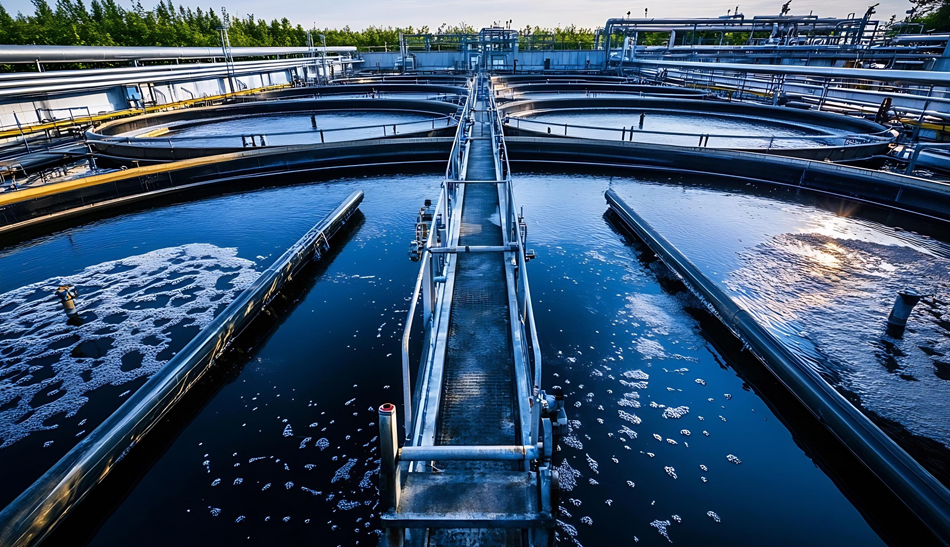
EnThe sterilization principle of the water treatment ultraviolet sterilizer is to use the energy of ultraviolet photons to destroy the DNA structure of various viruses, bacteria, and other pathogens in the water, causing them to lose their ability to replicate and reproduce, achieving the effect of sterilization. The bactericidal effect of UV-C depends on the dosage of ultraviolet light, which in turn depends on the intensity of UV-C and the duration of irradiation, i.e. D=I × S, where D is the dosage, I is the intensity, and S is the irradiation time. With the improvement of water quality standards in China, the role of disinfection in water treatment processes has become increasingly evident. Ultraviolet disinfection technology has gradually been recognized, and cost-effective ultraviolet disinfection technology is favored by water plant upgrading and renovation projects.
1. Ultraviolet rays cannot directly irradiate the skin of the human body;
2. Ultraviolet radiation has certain requirements for the temperature and humidity of the working environment: above 20 ℃, the irradiation intensity is relatively stable; Between 5-20 ℃, the irradiation intensity increases with the rise of temperature; When the relative humidity is below 60%, the sterilization ability is strong. When the humidity increases to 70%, the sensitivity of microorganisms to ultraviolet radiation decreases. When the humidity increases to 90%, the sterilization ability declines by 30% to 40%.
When disinfecting water, the thickness of the water layer should be less than 2cm, and a radiation dose of 90000 UW. S/cm2 or more should be received when the water flows out to achieve effective disinfection.
When there is dust and oil on the surface of the ultraviolet lamp tube and sleeve, it will hinder the transmission of ultraviolet rays, so it should be wiped with alcohol, acetone, and ammonia water regularly (usually once every two weeks).
When the lamp is started, it takes several minutes to heat up to a stable state, and the terminal voltage is relatively high. If it is immediately restarted after being turned off, it is often difficult to start, and it is easy to damage the lamp and reduce its service life, so it is generally not advisable to start it frequently.