
 中
中 En
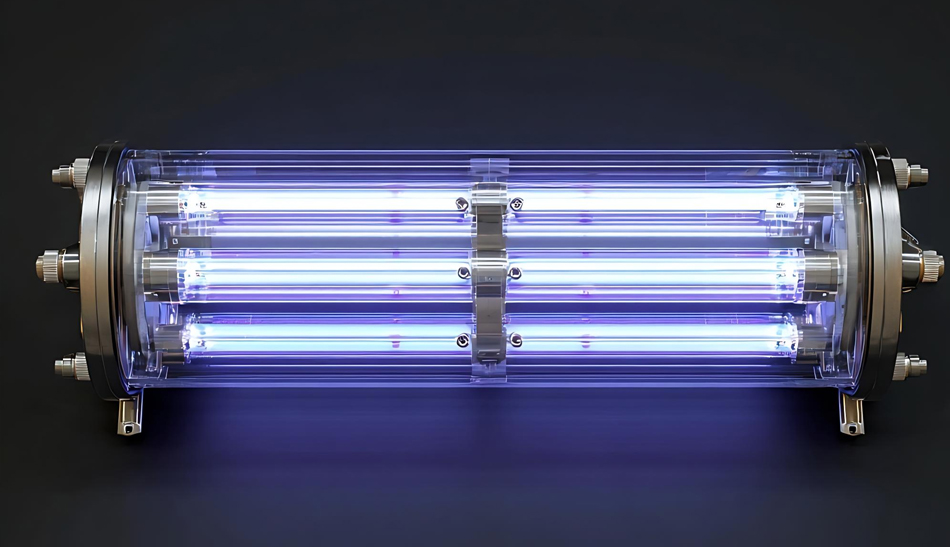
EnUltraviolet radiation can efficiently inactivate bacteria and other microorganisms, and has a fast disinfection speed, usually only taking a few seconds to tens of seconds. The disinfection process does not have any side effects and is a safe, hygienic, and environmentally friendly disinfection technology. It is usually placed at the end of the water supply system to play a supervisory role. Through the "double insurance" of chlorine disinfection in the water plant and ultraviolet disinfection in the secondary water supply, the quality of the secondary water supply can be greatly guaranteed.
Application and Future Trends of UV Disinfectors for Secondary Water Supply in Water Treatment:
Nowadays, the advantages and functions of ultraviolet technology have been widely recognized and promoted. With the improvement of people's safety awareness, water quality standards are becoming increasingly strict, and ultraviolet disinfection will have a broader future in the following areas.
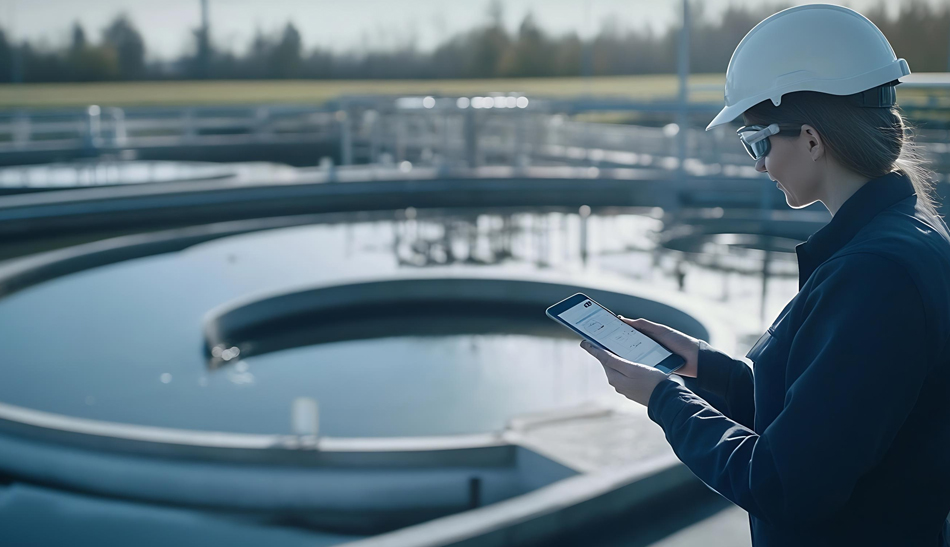
a、 Wastewater disinfection and terminal disinfection using ultraviolet radiation for wastewater treatment and reclaimed water reuse have already been developed and will have more engineering applications.
b、 Reducing TOC is mainly used in high-tech industries and laboratory equipment.
c、 Oxidation and disinfection treatment of water used in industrial and commercial processes such as swimming pools, as well as disinfection treatment of special categories such as oilfield reclaimed water and hospital wastewater.
d、 High end oxidation. For industrial wastewater with high concentration and poor biodegradability, photocatalytic oxidation and photochemical oxidation will fully utilize their strong oxidation ability to selectively degrade large organic molecules.
e、 Disinfection of drinking water, ultraviolet radiation can effectively kill Giardia and Cryptosporidium, which is a safety barrier for drinking water treatment.
f、 Eliminate residual chlorine. Both 185nm and 254nm ultraviolet rays have been proven to effectively damage the chemical bonds between residual chlorine and chloramine.
g、 Eliminate ozone. Ultraviolet radiation with a wavelength of 254nm is very useful for damaging residual ozone. It can decompose ozone into oxygen and eliminate the impact of ozone in water on subsequent processes.
h、 Disinfect the exterior. In the food and beverage production industry, most of the materials are food that is easily used by bacteria, thus promoting bacterial growth. However, the safety of the food industry does not allow for the addition of chemical substances for sterilization, so ultraviolet surface disinfection technology has become one of the popular disinfection processes.